

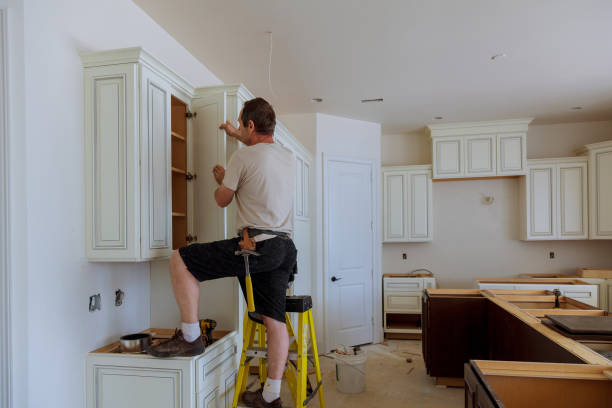

Kitchen cabinets are one of the most important elements in any kitchen. They not only provide storage but also define the overall look and functionality of the space. Whether you’re remodeling your kitchen or setting up a new one, understanding kitchen cabinet installation can save you money and give you complete control over your design.
While hiring professionals is always an option, many homeowners today prefer DIY installation to reduce costs and personalize their kitchens. With the right tools, planning, and patience, installing kitchen cabinets can be a rewarding project.
In this comprehensive guide, we’ll walk you through everything you need to know about installing kitchen cabinets—from preparation to finishing touches.
Types of Kitchen Cabinets
Before starting installation, it’s important to understand the types of cabinets available.
1. Base Cabinets
- Installed on the floor
- Support countertops
- Provide primary storage
2. Wall Cabinets
- Mounted on walls
- Ideal for storing lighter items
3. Tall Cabinets
- Extend from floor to ceiling
- Used for pantry storage
Tools and Materials Required
Having the right tools is essential for a smooth installation.
Basic Tools:
- Measuring tape
- Level
- Drill and screws
- Screwdriver
- Stud finder
- Clamps
Materials:
- Cabinets
- Mounting screws
- Shims
- Wood filler
Preparing Your Kitchen for Installation
Preparation is the key to success.
1. Measure the Space
Accurate measurements ensure proper fitting.
2. Mark Wall Studs
Use a stud finder to locate and mark studs for secure mounting.
3. Check Level and Alignment
Ensure walls and floors are level to avoid uneven cabinets.
4. Plan Layout
Decide where each cabinet will go.
Step-by-Step Kitchen Cabinet Installation
Step 1: Start with Wall Cabinets
Installing wall cabinets first makes the process easier.
How to Do It:
- Mark the height line for cabinets
- Attach a temporary support board
- Lift cabinets into place
- Secure to wall studs
Step 2: Install Corner Cabinets
Corner cabinets set the alignment for the rest.
- Place the cabinet in position
- Adjust with shims if needed
- Secure tightly
Step 3: Install Remaining Wall Cabinets
- Attach cabinets one by one
- Clamp them together for alignment
- Screw them into studs
Step 4: Install Base Cabinets
Once wall cabinets are done, move to base cabinets.
Process:
- Start from the corner
- Level each cabinet
- Secure to wall and floor
Step 5: Connect Cabinets Together
- Use clamps to align
- Screw cabinets to each other
- Ensure seamless joints
Step 6: Install Doors and Hardware
After cabinets are in place:
- Attach doors
- Install handles and knobs
- Adjust hinges for proper alignment
Tips for a Perfect Installation
1. Always Use a Level
Even small misalignments can cause issues.
2. Secure to Wall Studs
This ensures stability and safety.
3. Work Slowly
Rushing can lead to mistakes.
4. Use Shims
They help adjust uneven surfaces.
Common Mistakes to Avoid
- Skipping measurements
- Not checking level
- Using wrong screws
- Ignoring wall studs
- Rushing the process
DIY vs Professional Installation
DIY Installation:
- Cost-effective
- Requires time and effort
Professional Installation:
- Faster and precise
- More expensive
Choose based on your skill level and budget.
Cost of Kitchen Cabinet Installation
Costs vary depending on:
- Cabinet type
- Kitchen size
- Labor charges
Estimated Costs:
- DIY: Lower cost (materials only)
- Professional: Higher due to labor
Maintenance Tips After Installation
To keep your cabinets in good condition:
- Clean regularly
- Avoid excess moisture
- Tighten screws periodically
- Handle doors gently
Benefits of Proper Cabinet Installation
- Improved kitchen functionality
- Better storage organization
- Enhanced aesthetics
- Increased home value
Modern Trends in Kitchen Cabinets
- Minimalist designs
- Soft-close hinges
- Handleless cabinets
- Eco-friendly materials
When to Replace Kitchen Cabinets
You may need replacement if:
- Cabinets are damaged
- Storage is insufficient
- Design is outdated
Safety Tips During Installation
- Wear safety gear
- Use proper tools
- Get help when lifting heavy cabinets
- Ensure secure mounting
Final Thoughts
Kitchen cabinet installation may seem like a challenging task, but with the right approach, it can be a smooth and rewarding DIY project. From careful planning to precise execution, every step plays a crucial role in achieving a functional and visually appealing kitchen.
Whether you’re upgrading your space or building a new one, installing cabinets properly can transform your kitchen into a more organized and stylish area. Take your time, follow the steps, and enjoy the process of creating a kitchen that truly reflects your needs and style.